
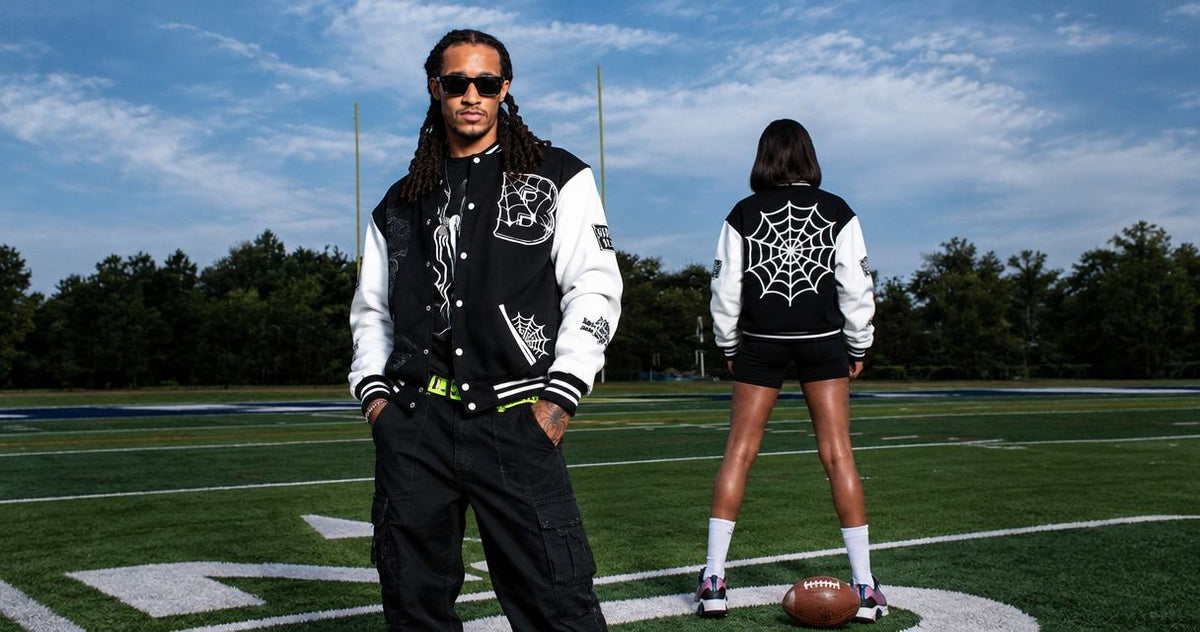
Build mens streetwear outfits around one piece you connect with, then choose the fit, supporting clothes, and footwear around it. Keep the rest of the outfit simple enough for that piece to stand out, and separate a design's documented story from your own interpretation. This guide helps you choose meaningful clothing without turning your wardrobe into a collection of competing statements.
- Build mens streetwear outfits around one meaningful piece, then balance fit, color, and footwear.
- Humble Beast suits shoppers looking for athlete-inspired streetwear with a resilience-focused brand message.
- Treat personal meaning and a designer's documented intention as different things.
- Before buying, build two outfits with clothes you already own.
Why this matters
A piece can mean something to you and still be difficult to wear. If you like the message but dislike the fit, you have not found the right starting point. Meaning earns your attention; wearability earns a place in your wardrobe.
Humble Beast offers athlete-inspired streetwear, with a brand message centered on resilience and overcoming adversity. That gives you a direction to explore, not permission to assume every design tells the same story. Choose what connects with you, then check the individual piece on its own terms.
For your 2026 wardrobe, start with what you actually do in your clothes. An outfit for walking around town needs to work while you move, sit, and carry your everyday things. A strong photo is not the whole test.
How do you build men's streetwear outfits with meaningful pieces?
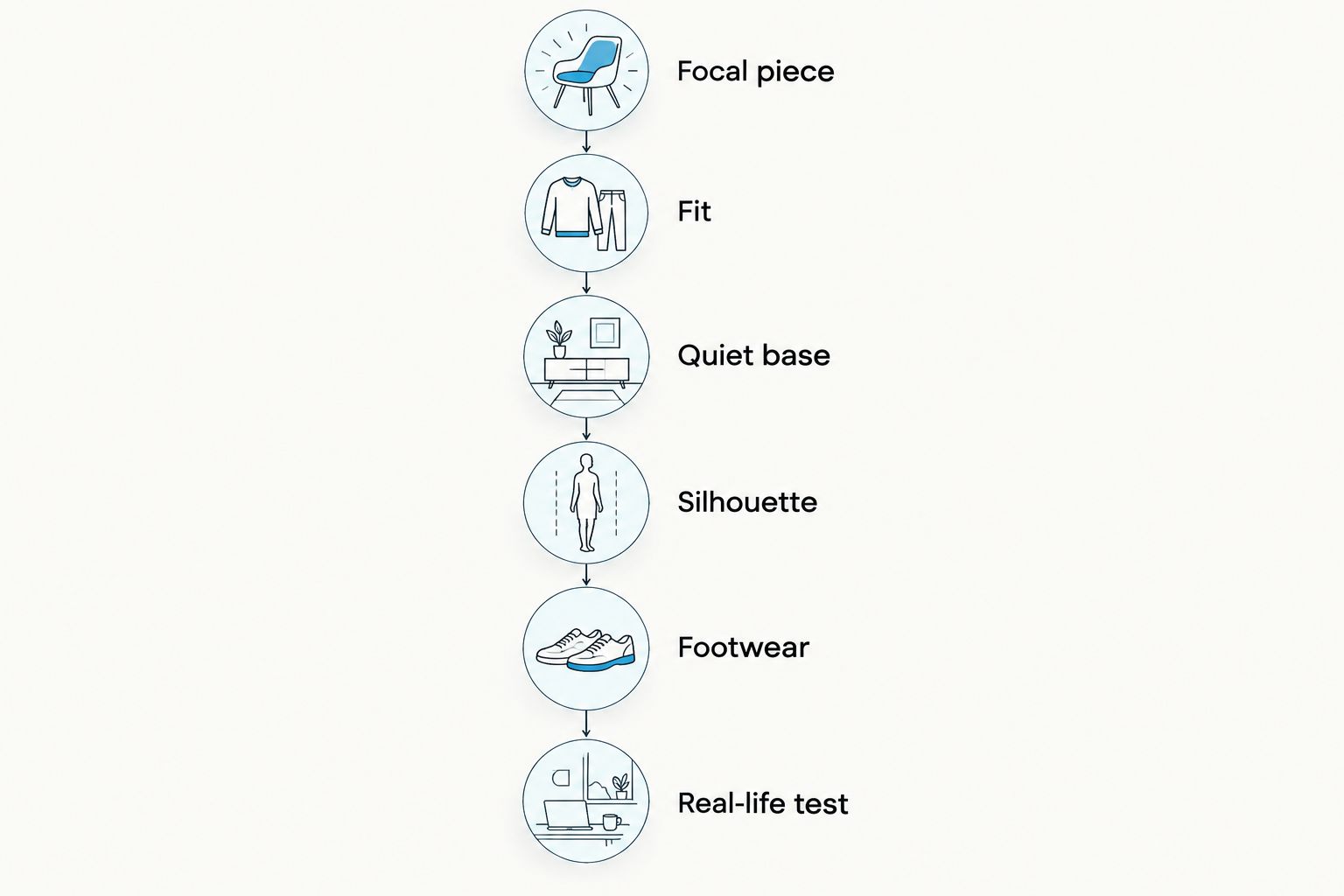
Start with the piece, not an entire new wardrobe. Work through these steps using clothes you already own before deciding what to add.
- Choose one focal piece. Pick the garment you want people to notice first. Your connection can come from a documented story, the wording, or your own response to the design.
- Check the fit. Decide whether you want a close, straight, or relaxed shape. Compare the product's sizing information with a garment you already like wearing.
- Build a quiet base. Add supporting clothes that do not compete with the focal piece. Plain does not have to mean dull; proportion and texture still give an outfit character.
- Set the silhouette. Look at the whole outline, especially where the top meets the trousers. Change one element if the combination feels too bulky or too tight.
- Finish with footwear. Choose shoes that suit the outfit and your plans. Do not add a louder pair just because the rest looks simple.
- Test it in real life. Sit down, walk, raise your arms, and check the outfit without posing. Keep the combination that feels like you.
Use these as a sequence, not six separate shopping tasks. You might solve the whole outfit by changing the trousers rather than buying anything.
Choose the outfit approach that fits your day
There is no need to make every streetwear outfit equally expressive. Some days you want a visible statement. Other days you want comfort and a quieter appearance.
The comparison below gives you three starting points. These are styling choices, not rules about which body type can wear what.
| Outfit approach | Best for | Main strength | Main drawback | What to check |
|---|---|---|---|---|
| Statement top, quiet base | Letting one meaningful piece lead | Keeps attention on the piece you chose | Supporting clothes can feel disconnected if their shapes clash | Top length and trouser shape |
| Restrained layering | Making an outfit adjustable | Lets you reveal or soften the focal piece | A layer can cover the detail you wanted to show | Open and closed views |
| Coordinated outfit | Getting dressed with fewer styling decisions | Creates a clear visual relationship | Gives you less contrast within the outfit | Whether the pieces work separately too |
For a first outfit, use a statement top with a quiet base. It makes the relationship between your chosen piece and the rest of your clothes easier to judge. If you prefer a less visible statement, move to restrained layering rather than forcing yourself into a louder look.
Statement top: let one piece lead
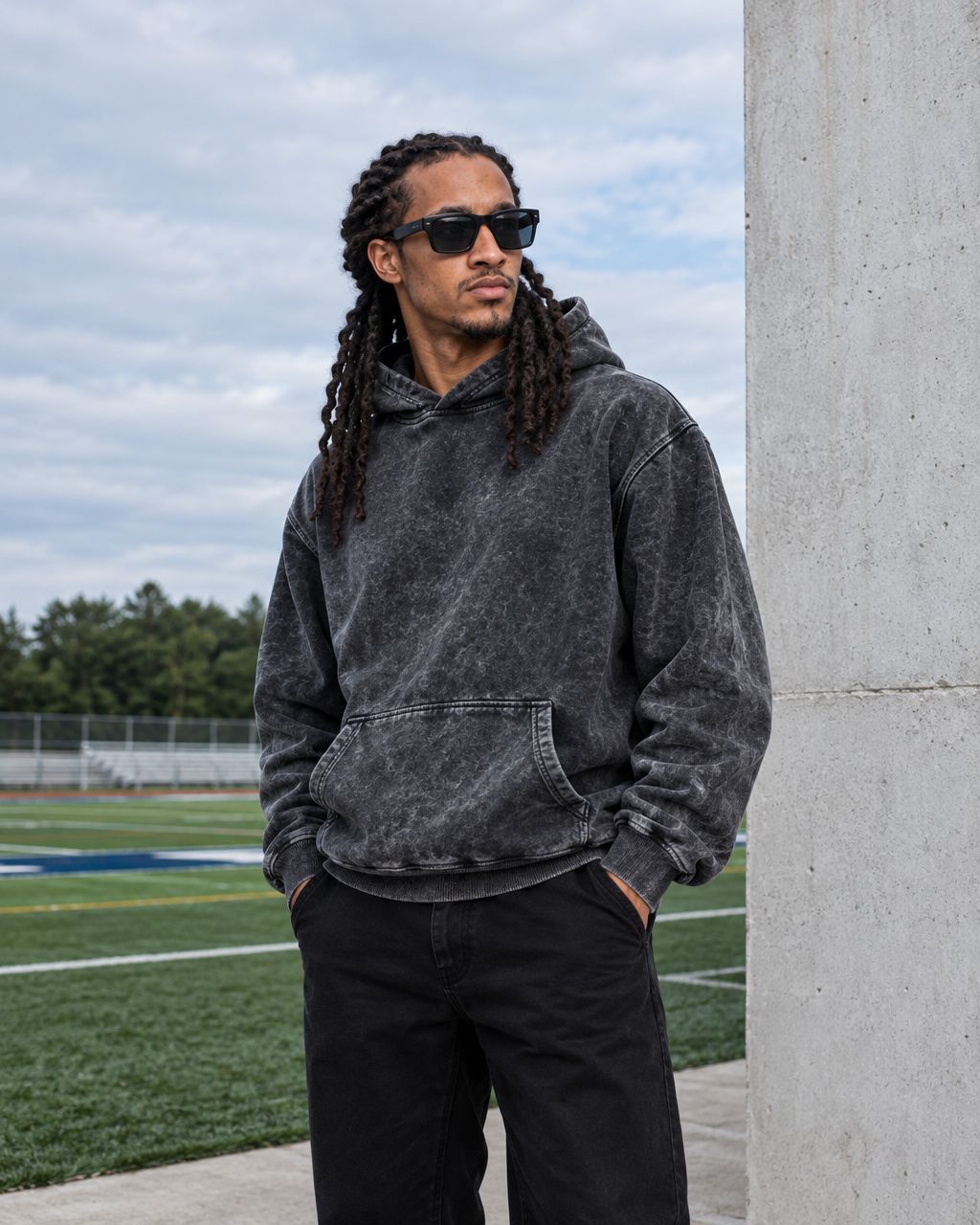
Best for: wearing a meaningful design without making every garment compete. Start with the top, then look for trousers that support its shape. If the top already carries the visual interest, the trousers do not need another large statement.
You can consider a Thrive T-Shirt as a starting point if a T-shirt is the piece your wardrobe needs. Read the current product information and inspect the images before deciding. The name alone does not establish the design's meaning, fabric, or fit.
Try the top with your simplest familiar trousers first. This gives you a useful baseline. Only change the trousers if the combination has a specific problem, such as an awkward overlap at the waist or more volume than you want.
The advantage is focus. The drawback is that the whole outfit depends heavily on how the top sits. Keep this approach if the focal piece looks and feels right without extra styling tricks.
Restrained layering: control how much you show
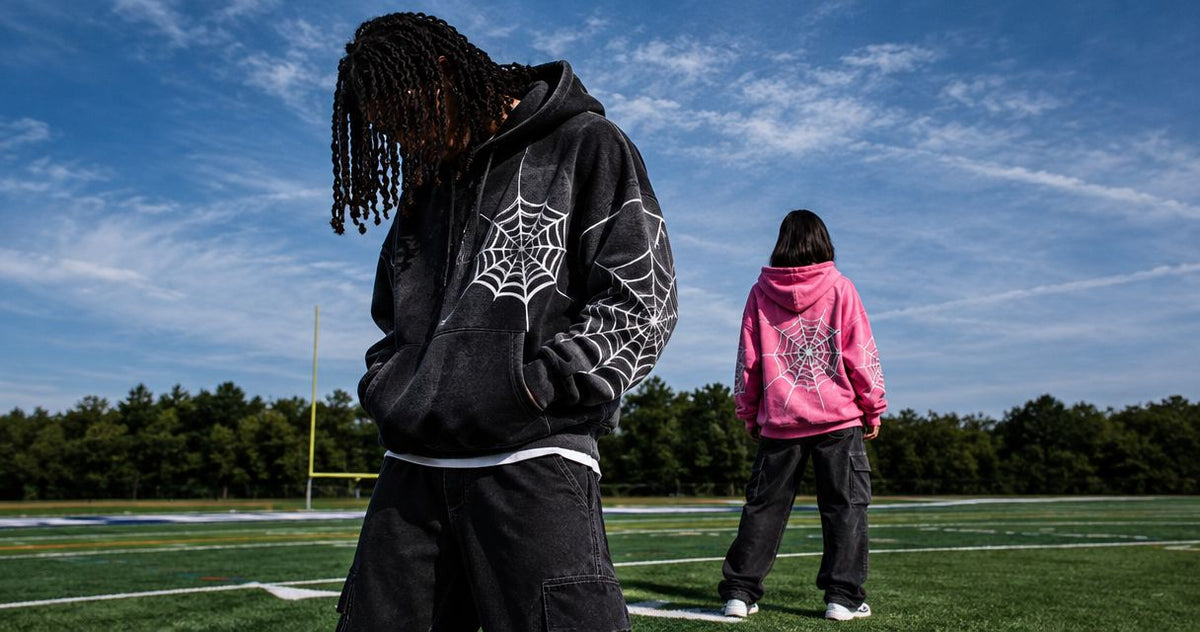
Best for: keeping a meaningful piece in an outfit without displaying it fully. Wear your chosen garment under an existing outer layer, then check the outfit both open and closed. The layer should work as clothing, not just as a frame for a photograph.
Notice what remains visible. A collar, hem, or small area of the design might be enough for your preference. If the part you care about disappears entirely, decide whether that matters to you rather than treating visibility as compulsory.
Layering gives you flexibility, but it also adds decisions. Check sleeve comfort and whether the garments pull against each other. Choose this approach when the layered outfit works even with the outer layer closed.
Coordinated outfit: keep the relationship clear
Best for: shoppers who prefer a connected look over separate statement pieces. Start with clothes that relate through color, shape, or overall restraint. They do not need to be identical to belong together.
A coordinated outfit can simplify dressing. Its limitation is that you might like the combination more than the individual garments. Before adding anything, ask whether you would wear each piece with something else you already own.
Do not use coordination to avoid checking fit. A connected color palette will not fix uncomfortable sleeves or a waistband you keep adjusting. Choose coordination when the clothes work together and still earn their place separately.
Why meaningful streetwear outfits vary
Meaning does not dictate a single outfit formula. These factors explain why the same starting piece can lead to different choices:
- Personal connection. A design can matter because of your response to it, without becoming a claim about what the designer intended.
- Documented context. Product descriptions and verified brand stories give you information that a name or image alone does not.
- Fit preference. Your preferred amount of room changes which supporting garments feel balanced.
- Existing wardrobe. The trousers, layers, and shoes you already wear determine how easily a new piece fits in.
- Daily use. Sitting, walking, commuting, and spending time indoors create different practical needs.
- Visibility preference. You decide whether the meaningful detail leads the outfit or stays more private.
In 2026, use these factors before chasing a particular silhouette. A look that matches your routine is a better buying brief than a saved image with no connection to your day.
How do you know whether a piece is genuinely meaningful?
Separate the question into three checks: documented story, personal connection, and everyday use. A garment does not need a dramatic origin story to matter to you. It does need an honest explanation of why you want it.
Documented story
Look for an explicit description of the design or a verified account from the brand. Do not infer hardship, achievement, or a founder's experience from a product title. A resilience-focused brand message is context, not a biography of every garment.
Personal connection
Ask what you respond to and why. You might like the words, the visual treatment, or the way the piece fits your sense of style. That explanation belongs to you; you do not need to present it as the creator's intention.
Everyday use
Picture wearing the garment on an ordinary day. Does the connection still hold when nobody asks about it? If yes, the piece can have meaning without becoming a conversation starter.
Humble Beast streetwear is best for shoppers drawn to athlete-inspired clothing and a resilience-focused brand message. The benefit is a clear brand direction. The limitation is that this direction alone cannot tell you whether an individual garment fits your body, wardrobe, or personal interpretation.
Can men's streetwear look intentional without lots of graphics?
One focal piece is enough to give men's streetwear outfits a clear direction. Use shape, layering, and your choice of footwear to support it. You do not need to repeat the message across every visible garment.
Check the outfit from a distance as well as close up. If you cannot tell where your attention should land, remove a competing element before adding another one. Restraint is a styling decision, not a lack of personality.
For a 2026 outfit refresh, keep the clothes that already work and change only the part that feels disconnected. A different top or a better pairing can answer the problem without replacing the whole look.
How do you avoid buying a meaningful piece you never wear?
Build two complete outfits with clothes you already own before buying. Include footwear and any layer you normally need. If both combinations depend on more purchases, pause and reconsider the piece.
Use one familiar combination and one alternative. For example, test the same top with your usual trousers, then with another pair you genuinely wear. The point is not to invent an occasion; it is to establish a place in your routine.
You can write a short buying brief: where you will wear it, what it needs to work with, and which product details you must check. Keep that brief beside you while browsing in 2026. Buy for an actual outfit, not a future version of your wardrobe.
Check the details before committing
Your connection to a piece should not excuse practical doubts. Read the individual product information instead of transferring assumptions from another garment or from the brand as a whole.
Check these details:
- Measurements: compare the stated information with clothing you own.
- Material: use the product's description rather than guessing from a photograph.
- Care instructions: decide whether the care required fits your routine.
- Design placement: inspect where visible details sit on the garment.
- Purchase terms: review the current terms before placing an order.
A product image shows appearance, not your personal fit. If a detail determines whether you will wear the garment, resolve that question before choosing it. Keep the same standard for every piece you consider.
FAQ
What's the easiest way to build mens streetwear outfits?
Start mens streetwear outfits with one focal piece and a quiet base. Check the fit and overall silhouette before adding accessories or another statement garment.
How do I choose streetwear that means something to me?
Choose streetwear by separating the documented design story from your personal connection. Your own interpretation is valid, but it is not evidence of the designer's intention.
Do all the pieces in my streetwear outfit need graphics?
No, one focal piece can give your streetwear outfit a clear direction. Supporting clothes can contribute through shape and layering instead of another graphic.
Is oversized clothing necessary for men's streetwear?
No, oversized clothing is not a requirement for men's streetwear. Choose the amount of room you enjoy wearing, then check how the top and trousers work together.
Is Humble Beast right for my first streetwear purchase?
Humble Beast suits shoppers interested in athlete-inspired streetwear and its resilience-focused brand message. Check the individual garment's information and build an outfit around it before deciding.
How many outfits should I plan before buying a new piece?
Plan two outfits with clothes you already own before buying a new piece. This gives you a practical test of whether the garment belongs in your routine.
How should I update my streetwear wardrobe in 2026?
Update your streetwear wardrobe in 2026 by identifying the specific gap in an outfit you already wear. Keep the pieces that work and choose an addition that solves that gap.
One last thing
Try your finished outfit without the extras first. Remove the optional accessory, close the outer layer, or put on your ordinary shoes. If the connection to your focal piece survives that simpler version, you have a useful foundation.
You do not owe anyone an explanation of your clothing. A verified story can deepen your connection, but the piece still needs to feel right when you simply get dressed and leave the house.

Leave a comment
This site is protected by hCaptcha and the hCaptcha Privacy Policy and Terms of Service apply.