
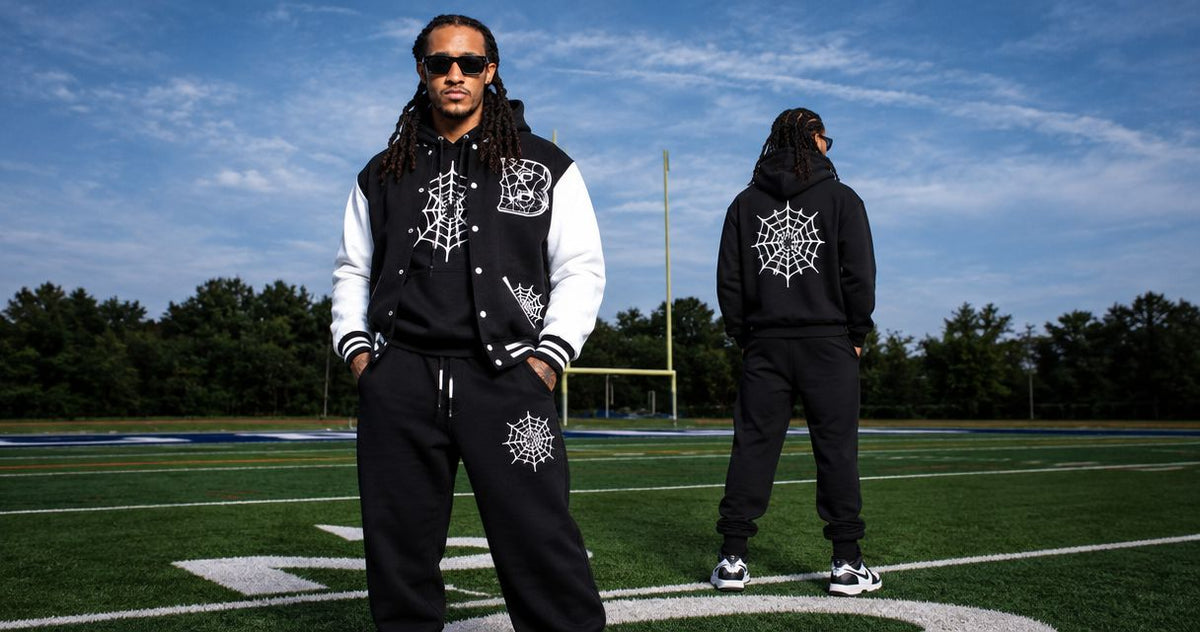
Wear a streetwear sweatsuit as separate pieces by pairing the top with everyday trousers or the pants with a different tee, then adjusting the silhouette so the outfit looks intentional. For your 2026 wardrobe, keep the design you care about visible, choose shoes that work with the hem, and avoid adding layers just to make the outfit feel finished.
- A streetwear sweatsuit works as separates when you balance the silhouette and give each outfit a clear focal point.
- Pair the sweatsuit top with everyday trousers; pair the sweatpants with a tee you already wear.
- Humble-Beast streetwear suits shoppers drawn to athlete-inspired clothing and a resilience-focused message.
- Choose pieces for their fit and documented design story, not an assumed meaning behind a graphic.
How do you wear a streetwear sweatsuit as separate pieces?
Keep one piece from the set, change its partner, and check the whole silhouette. You do not need to replace everything else in your outfit. Start with clothes you already like wearing, then decide whether the sweatsuit piece needs more room, less volume, or a clearer contrast.
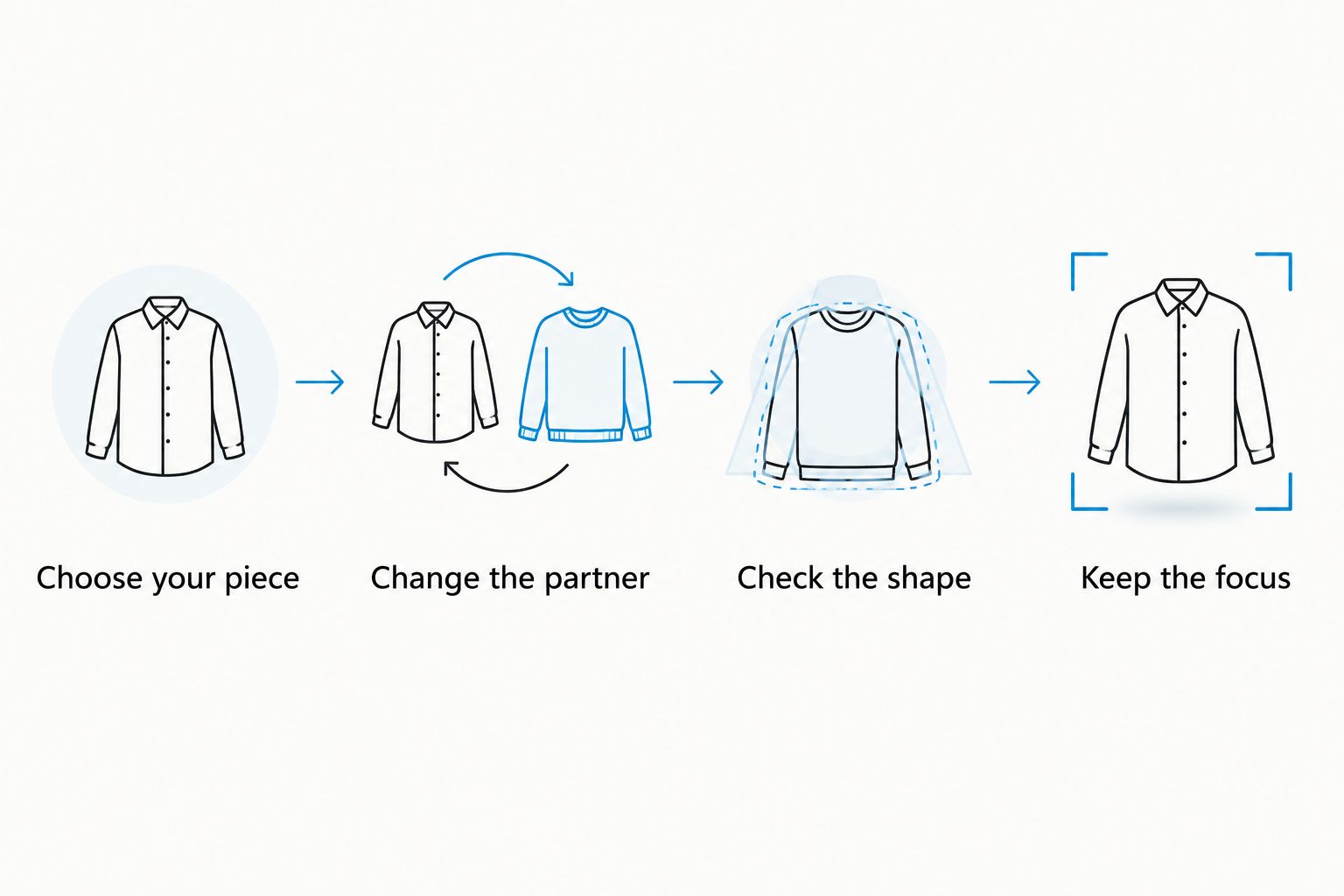
Use these steps when getting dressed:
- Choose your piece. Start with either the top or the sweatpants. Pick the piece whose fit and design you want to build around.
- Change the partner. Wear the top with trousers that are not part of the set, or wear the sweatpants with a different tee.
- Check the shape. Look at where the top ends, how the waistband sits, and where the pant hem meets your shoes.
- Keep the focus. Remove a competing layer or accessory if it distracts from the piece you chose.
Before changing the styling, check whether the set fits properly. The guide to how a matching sweatsuit should fit gives you a useful starting point for that decision.
The distinction matters. A styling change gives a well-fitting piece a different context; it does not fix a waistband you keep pulling up or a sleeve that gets in your way.
Why this matters
A matching set gives you a ready-made outfit. Wearing it separately asks you to make the connection between the pieces yourself. That connection can come from shape, color, or a shared level of casualness; it does not require another matching garment.
For a 2026 wardrobe built around clothes you actually wear, start with compatibility rather than novelty. Picture the sweatsuit top beside your usual trousers and the pants beside your usual tees. If either combination feels unlike you, do not force it because it looks good in someone else's outfit.
Clothing with a message deserves the same practical scrutiny. You can connect with a design and still decide that its cut does not suit your daily routine. Meaning should support your choice, not replace a fit check.
Wearing the sweatsuit top with different bottoms
The easiest starting point is a pair of trousers you already understand. You know where the waistband sits, which shoes work with the hem, and how the trousers feel when you sit down. That leaves the sweatsuit top as the only unfamiliar part of the outfit.
Check the top's length before reaching for another layer. A longer top creates more coverage over the waistband; a shorter top leaves more of the trousers visible. Neither shape is automatically better, but they create different proportions.
If the top has a graphic you want to show, let it remain visible. An open outer layer can frame it, while a closed layer covers it. Choose deliberately instead of treating a jacket as a required finishing touch.
These are styling routes, not fixed dress codes:
| Styling route | Best for | What it offers | What to watch |
|---|---|---|---|
| Sweatsuit top with straight-leg jeans | A familiar everyday starting point | A different fabric and an easy-to-read silhouette | A long top can cover the waistband and obscure the trouser shape |
| Sweatsuit top with relaxed trousers | A loose silhouette without the matching set | Room through both halves of the outfit | Similar volume can make the overall shape less defined |
| Sweatpants with a shorter tee | Making the waistband and leg shape visible | A clear break between the top and pants | The tee can expose more of the waist when you raise your arms |
| Sweatpants with a longer tee | Keeping more coverage through the middle | A continuous, relaxed outline | The tee can hide details you wanted to show |
Best for a first attempt: the sweatsuit top with trousers you already wear often. Familiar bottoms make it easier to judge whether you like the top on its own. The limitation is that a familiar pairing can still look wrong if the hem lengths compete.
Wearing the sweatpants with a different top
Start with a tee whose fit you already trust. Put it on with the sweatpants before adding anything else, then look at where the tee ends. You want to see whether the outfit feels complete without relying on a jacket to hide an awkward proportion.
A shorter tee shows more of the waistband and the upper part of the pants. That is useful when you want the trouser shape to carry the outfit. The trade-off is less coverage when you stretch or reach.
A longer tee creates a more continuous outline. It works when you prefer coverage, but it can conceal the waistband or overlap a detail on the pants. Choose the length that serves the outfit you want, not a rule about what streetwear must look like.
Try 2 movement checks: sit down, then raise your arms. Look for a waistband that needs constant adjustment or a top that moves beyond your comfort level. These are dressing checks, not reasons to accept an uncomfortable fit.
If the sweatpants have a visible design, judge the tee beside that design rather than in isolation. A tee that looks right with plain trousers can become a competing focal point here. Keep it if you like the combination; simplify it if you want the pants to lead.
Why a streetwear sweatsuit looks different as separates
A matching set repeats visual information across the top and bottom. Once you separate the pieces, the replacement garment changes how you read the outfit. Check these factors before deciding that a combination does not work:
- Top length: The hem determines how much of the waistband and trouser shape you see.
- Leg shape: The pants change the outline beneath the top, even when the colors stay similar.
- Color relationship: A close color pairing creates continuity; a contrasting pairing makes the separation more obvious.
- Graphic placement: A design on the chest, back, or leg changes where you want the eye to settle.
- Shoe shape: The shoe changes the visual finish at the pant hem.
- Layer coverage: An outer layer can reveal, frame, or cover the piece you meant to feature.
There is no need to change all these factors at once. If a combination feels off, change 1 element and compare it with the original. You will have a clearer reason for keeping or rejecting the change.
Build the outfit without overthinking it
Use a short sequence when you are stuck. The aim is to finish with clothes you want to leave the house in, not to keep adding pieces until the outfit looks complicated.
Choose your piece
Decide whether the top or the pants matter most to this outfit. That choice gives you a focal point. If you care about a particular design, choose the piece carrying it and keep that area visible.
Change the partner
Reach for an existing garment before looking for something new. Compare its shape with the sweatsuit piece, not just its color. A familiar garment is useful because you already know how it behaves through the day.
Check the shape
Look at the outfit from the front and side. Pay attention to the top's hem, the waistband, and the point where the pants meet the shoes. Then move around rather than judging only a still pose.
Keep the focus
Decide what you want to stand out. If several details are competing, remove something before replacing it. A clear outfit does not need to be plain; it needs a choice behind it.
This sequence gives you a repeatable dressing check for 2026. Keep the same starting piece while you compare different partners, so you can tell which change actually improves the outfit.
Choose a piece for its meaning and its use
A design can matter to you without needing an invented explanation. Read the brand's own description of the piece before assigning a story to its name, graphic, or symbols. Your personal response is yours; the designer's intended meaning needs a stated source.
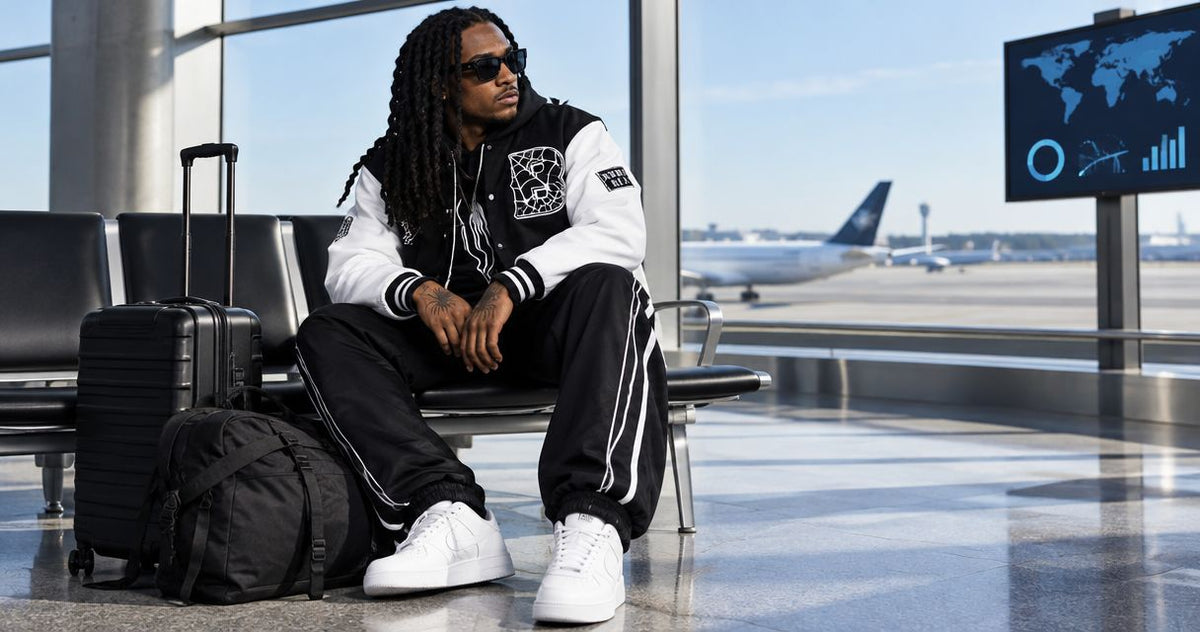
Humble-Beast streetwear is best for shoppers drawn to athlete-inspired clothing and a resilience-focused message. If that is what brings you to Humble-Beast, use the connection as a starting point, then check whether the piece fits the way you dress.
The message gives you a reason to look. It does not establish the garment's measurements, fabric, or construction. Check the individual listing for those details rather than assuming that every piece shares them.
For a first purchase in 2026, picture 3 outfit elements together: the sweatsuit piece, its separate partner, and your shoes. This is a styling exercise, not a requirement to buy more clothing. Use your existing wardrobe to decide whether the piece has a place in your routine.
Can you wear both halves loose without looking unfinished?
You can wear both halves loose if you like the overall outline and the clothes stay comfortable in motion. Check the hem lengths and shoe pairing before assuming that one half has to be fitted. Loose clothing does not need a tight counterpart by default.
The trade-off is reduced definition between the top and bottom. If you want a clearer break, try a different top length or a more visible color contrast. Change the proportion because you prefer it, not because a loose outfit needs correcting.
Do your shoes need to match the sweatsuit piece?
Your shoes do not need to match the sweatsuit piece exactly. Check how their shape works with the pants and whether their color creates a connection you like. The meeting point between hem and shoe deserves more attention than an exact color match.
Stand normally when judging it. If you keep arranging the hem for the outfit to look right, reconsider the pairing. Your clothes should work while you wear them, not only while you pose.
Should you buy another top to wear with the sweatpants?
Try your existing tops before buying another one. Begin with the tee you wear most confidently, then check its length and graphic placement against the sweatpants. A new top only helps if it solves a specific styling problem.
For your 2026 shopping list, name that problem first: more coverage, a different silhouette, or less visual competition. That makes the choice clearer than buying another piece simply because it is described as streetwear.
FAQ
What's the easiest way to wear a streetwear sweatsuit as separates?
Pair the sweatsuit top with trousers you already wear often, or pair the sweatpants with a familiar tee. Check the top length, waistband, and pant hem before adding a layer.
Can I wear sweatpants with an oversized tee?
You can wear sweatpants with an oversized tee if you like the combined silhouette and the fit stays comfortable. Check whether the tee covers a waistband or design detail you want visible.
Do I need neutral colors to split up a sweatsuit?
You do not need neutral colors to split up a sweatsuit. Choose a color relationship you like, then decide whether the graphic or the color contrast should be the focal point.
Should I size up to get a streetwear look?
Choose the fit you want using the individual garment's measurements, rather than sizing up automatically. A size label alone does not tell you the top length, sleeve room, or leg shape.
Is Humble-Beast right for a first-time streetwear buyer?
Humble-Beast is best for a first-time buyer drawn to athlete-inspired streetwear and a resilience-focused message. Check the individual piece's fit and documented design story before choosing it.
How do I make a sweatsuit separate work with my 2026 wardrobe?
Start with clothes you already wear in 2026 and test the sweatsuit piece alongside them. Keep the starting piece fixed while you change its partner, so you can judge the effect of each change.
One last thing
Remove a layer before buying a replacement. If the outfit feels crowded, take off the jacket or accessory that competes with your chosen piece, then look again. You might already have the combination you wanted underneath it.
Keep a photo of the pairing you actually like. Use it as a dressing reference, not proof that every detail must stay identical. The goal is to make the piece easier to wear while keeping your own reason for choosing it intact.

Leave a comment
This site is protected by hCaptcha and the hCaptcha Privacy Policy and Terms of Service apply.